Saturday, February 23, 2019

Fashion 1 0 1 : Part 8

BT cotton is cotton in which a gene has been added from a bacteria to produce a toxin - this patent is owned by a big company (Monsanto) and a poor farmer has to go to the company to buy seeds, these seeds are extremely expensive. The pesticides that are used to produce the cotton for our clothes is spoiling the soil. Use of fertilizers pesticides increases toxicity in the region where cotton is grown, it causes cancer, birth defects and many such illnesses. There are also weaving mills, dyers (Chemicals are used to dye) and tanneries polluting earth and water and also making people working on them and living close to them sick because of the proximity of all the toxic materials. Clothes are not biodegradable that means if you throw them they will sit on the land for many years.

I express my grief over many things like (a) people don’t work out, eat junk, parents feed their kids restaurant food/ processed/unhealthy food every other day (b) animals are killed for food and for making leather for humans (c) many do not know even the basics of gender equality (d) clothing industry is treating the laborers/ environment poorly - people tell me not to think about it - enjoy your day, why do you have to think about all this they say.

But I believe we should care. Let’s not merely, just exist. Let’s live a conscious life. If we are talking about long term sustainability and well-being on this planet then the industry will have to change and also ‘we’ have to change.

to be continued...
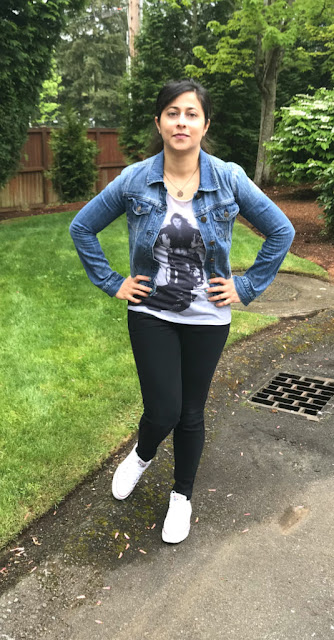


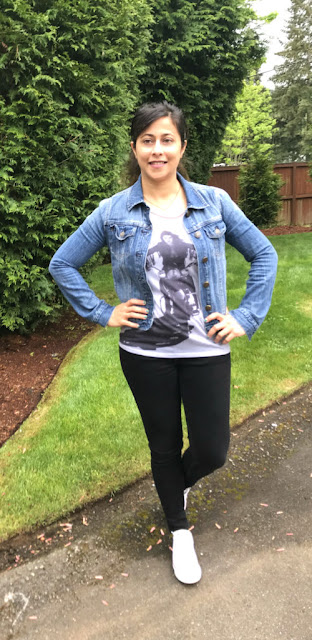
Jeans: Abercrombie and Fitch, Top: Guess, Jacket: J crew, Shoes: Converse

Saturday, February 16, 2019

Fashion 1 0 1 : Part 7


In Cambodia when textile industry workers marched to ask for an increase in the minimum wage - police fired guns killing and injuring people - their only ask was 160$ per month - they are currently given 30 cents a day. Why their government doesn’t help with this? Because they fear that if the wages are increased the business will go to other countries who are offering lower wages - the businesses obviously care only for profits. Our government has no rules and regulations over the trades, the companies decide the working conditions, minimum wage, and these corporations are making loads of money.

But wait there's more to that. The fast fashion industry has a massive and negative influence on the environment. The aim is to produce as much material for clothes as fast as possible. This means that the chain of harmfulness starts right at cotton plantations. The cotton isn't just sprayed with pesticides but also monopolized by big corporations which means very few rich producers are able to farm ecologically.

To be continued...


Jeans: American Eagle (10 years old), Top: Ann Taylor, Shoes Ann Klein (6+ years old)

Saturday, February 9, 2019

Fashion 1 0 1 : Part 6

Part 1 Part 2 Part 3 Part 4 Part5

We can buy clothes so cheaply because they are made of very poor quality materials and because people who make these clothes do not earn a living wage. They work in factories that do not fulfill safety requirements. They work with highly toxic materials. They often work over a dozen hours a day, six days a week, with no provisions and no legal arrangements, in locked buildings they cannot leave even in face of danger. The risk with their health and with their lives just so that we can buy a cheap t-shirt. And then, tragedies occur, like the one in Rana Plaza where over one thousand people were killed in a clothing factory building collapse. When we buy cheap clothes, we are playing with people's lives and well-being and on the most basic level, on human dignity.

Their need to work, their need to earn money is being misused, they are being treated as slaves. They need to be treated with as much respect as any other working professional would  - be it the working hours/ safe working conditions/ health benefits/ sick leave.

To be continued...

Saturday, February 2, 2019

Fashion 1 0 1 : Part 5

Part 1 Part 2 Part 3 Part 4

Careless production and endless consumption-

I did a part-time fashion designing course from Pune, India. I used to sew my own salwar kameezes for a few years. Sewing is a time-consuming task, it is physically challenging too - it would give me a lot of back and neck ache, so how much ever I enjoyed sewing I decided to call it quits (and now instead I break my back on a software job).

However, I must admit that sewing is one hobby that makes me happiest. One sewing project takes hours and now I pick only one or two sewing projects every year. Good quality fabrics I buy for my projects start from 6$ per yard and you need say 3 yards for an adult skirt  (more if you add lining). On top of that other materials are needed like thread, elastic, zipper and whatnot.

Anyhow, so up till now you must have understood from this post (and earlier parts) that


  • We buy too much

  • Sewing projects are time-consuming

  • Sewing causes a lot of physical discomfort and

  • Sewing is an expensive affair if we want quality material


Doesn’t it make you think how are the shops filled to the brim with dirt-cheap clothes? How are some brands selling skirts for less than $5???

Remember that everything that we wear is touched by human hands … not robots. How is it possible that we are paying dirt cheap price when someone is working hard to make them? How much are the sewers paid?

To be continued...


Shirt: J Crew Factory, Shoes: Converse, Jeans: American Eagle

Saturday, January 26, 2019

Fashion 1 0 1: Part 4

Part 1 Part 2 Part 3

Why do we buy so much?

Because we associate happiness with owning more. They call it ‘the retail therapy’. However therapy is something that fixes us for life, therapy is treatment - therapy cannot be something that gives momentary pleasure, so chocolates or retail cannot be termed as therapy. If retail is a therapy then it is so only for the shop owners, not for you and I. If you think following the latest trends is making you look trendy or how many clothes you buy is showcasing you as rich then no - you are getting poorer and the only person getting richer is the owner of brands.

I have said this before on this blog - I am just reiterating myself - contrary to popular belief food, watching TV and shopping cannot be hobbies. Owning more stuff and materialistic attitude is not going to make us happy. The way to solve the problems in our life does not go through consumption.

Initially, I thought it is quite ironical to start a personal style blog because I don't buy much, in fact, I hate to shop, but then I thought maybe there are people like me who hate to shop, hate to have too much stuff and yet want to get ideas on how to reuse the same items in their closet in many ways. I might have a personal style blog but I am averse to mindless consumption and materialistic attitude.

My greatest joys in life haven't been through clothes, shoes or cars... but through experiences... through traveling... through learning new things - from musical instruments to languages... through reading books by the great minds... by being in the company of the ones I love and through creation... from painting or be it even creating and writing on this blog.

*** I highly recommend you read a book called The Happiness Project.

To be continued...


Jeans: 7 for all mankind, Sweater: J crew factory, Top: Calvin Klein, Shoes: DSW


Also worn here - http://lifestyleandallthatjazz.com/body/

(opens in a new tab)

Saturday, January 19, 2019

Fashion 1 0 1: Part 3

Part 1 Part 2

There are many people who have a budget set (say 100$ per week) to buy clothes/ shoes/ purses/ accessories. Do you know the average number of clothes bought every year by Americans? It is 65+ per year - not per family but per person (I think the East is catching up too).

The point I am trying to make is - we buy too much.

To be continued...


Jeans: Abercrombie and Fitch, Shoes: Dr. Scholls, Shirt: JCrew Factory, Jacket: J crew

Saturday, January 12, 2019

Fashion 1 0 1: Part 2

Part 1.

The maximum number of clothing items that I ever bought in one single year was 10  (clothing items include work clothes/ nightdress/ socks/ undergarments/ scarves/ gym clothes etc). And there have been years that I didn’t buy a single clothing item, the max I have gone without shopping is 3 years - from 2012 to 2015. 2019/2020/2021 are going to be my shopping ban years too. I can create loads of combinations with the quality products that I already have and it gives me a feeling that I am wearing something new every day. The clothing items that you see on this blog are accrued over a period of 15+ years.

And why am I telling you this? I am coming to that.

To be continued...


Tights: Target, Shoes: Steve Madden, Skirt: J Crew, Top: Loft, Sweater: J crew factory